Questions & Answers
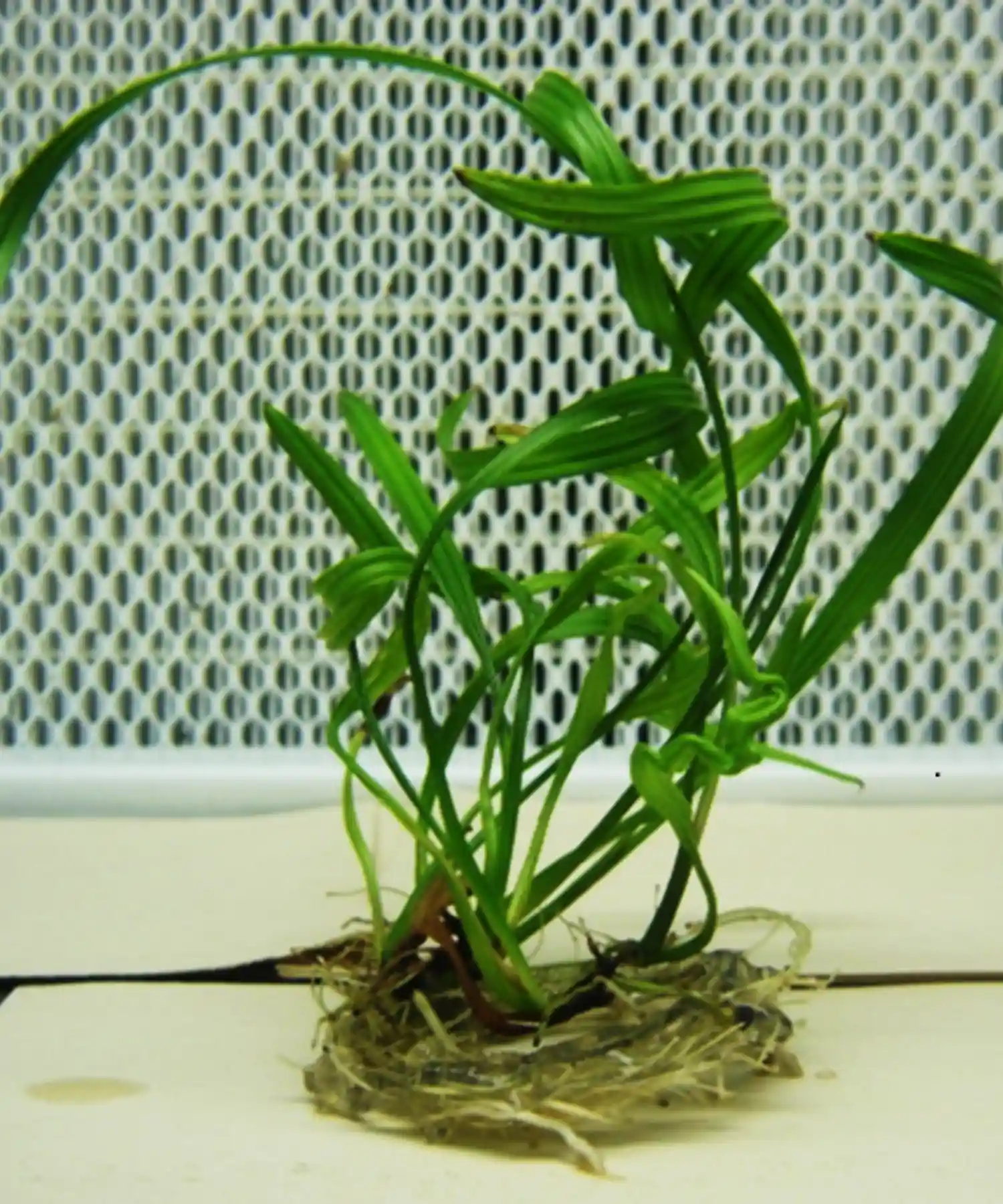
It is the process of producing plants from tissues of the desired plant in an artificial nutrient medium under a controlled environment. The plants produced are exactly similar to the mother plant in all aspects.
Tissue culture plants are qualitatively better as they are produced under aseptic conditions and controlled environments:
An explant is the part of a plant which has the regeneration potential and can give rise to the whole plant. Types used in plant tissue culture include:
No. Tissue culture plants are free from diseases and pests if standard procedures are followed during production. While they grow faster and better, they are as vulnerable to pests and diseases as any other plant unless proper precautions are taken. However, tissue culture plants are free from soil-borne diseases.
Yes. As they are uniform, vigorous and disease-free, following proper cultivation practices can lead to higher yields compared to conventional plants.
Tissue culture ensures true-to-type genetics, as propagation via seeds can result in genetic variation, especially for dioecious varieties. Additionally:
As the demand for high-quality dates increases, tissue culture is becoming an essential technique to meet this need.
Dates are sweet fruits that come in many varieties, including fresh, wet, semi-dry and dry. The antioxidants, vitamins and minerals in dates contribute to brain, digestive and heart health, and they are also believed to help ease natural labour.
The date palm grows to about 23 metres (75 feet) tall, with a crown of graceful pinnate leaves about 5 metres (16 feet) long. Its floral spikes emerge from the axils of the previous year’s leaves. This majestic tree is essential for date production in arid climates.
Dates grow best in soils with a pH range of 8 to 11. Sandy loamy soils with good moisture retention, aeration and proper drainage are ideal. Soils containing calcium carbonate should be avoided for date farming.
Although date palms are naturally pollinated by the wind, artificial pollination is necessary for commercial production. It ensures better fruit set and higher yields, particularly in regions where natural pollination may be insufficient.

© 2026 Arackal Plantations (P) Ltd. All Rights Reserved.